
When I speak with early-stage founders, one subject comes up again and again: equity feels simple at first, until people start leaving, roles change, or a company grows faster than anyone expected. A founder-friendly vesting schedule is not just a legal formality. In my view, it is one of the...
Read more...
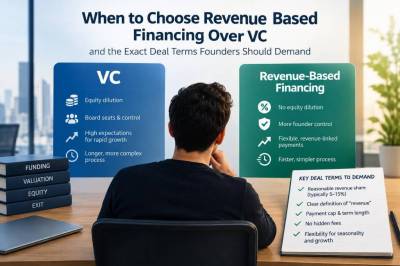
I get asked a lot by founders whether they should raise venture capital or pursue alternative funding. Lately one option comes up more and more in conversations with entrepreneurs: revenue-based financing (RBF). I’ve worked with startups at various stages and watched how different capital...
Read more...

When I first dug into Stripe Treasury, I was drawn not because it was shiny new tech, but because it promised something every founder obsesses over: more runway. For early-stage startups the simplest way to stay in the game is to make every dollar work harder and get predictable timing on cash....
Read more...

I remember the first time I negotiated a revenue-share pilot with a Fortune 500 buyer. I was excited — and nervous. Those deals can unlock massive distribution and validation for a startup, but they also carry the risk of being boxed into unsustainable pricing or complex obligations that erode...
Read more...

When my startup first started burning cash, I thought the obvious levers were obvious: cut headcount, delay product features, or chase more funding. What I didn’t immediately consider was how much runway I could reclaim simply by rethinking treasury and banking operations. Adopting Stripe...
Read more...
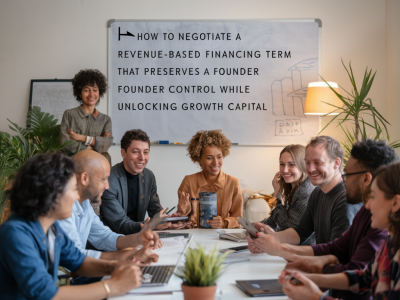
I remember the first time I considered revenue-based financing (RBF) for one of my startups: it felt like finding a middle path between dilutive equity and rigid debt. RBF promised growth capital tied to performance rather than ownership—but the terms matter. If you don’t negotiate carefully,...
Read more...

I remember the first time I sat across from a corporate development lead discussing an earnout: my stomach tightened, the spreadsheet on my laptop felt suddenly fragile, and every vague term in the draft SPA looked like a potential landmine. Since then I’ve negotiated several founder exits and...
Read more...

I remember the first time I tried to get a risk-averse corporate buyer to run a pilot of my startup’s solution. Months of meetings, slides, and polite emails produced little more than promises to "circle back." What finally changed the game was switching from persuasion to partnership — and...
Read more...

Raising a convertible note can feel like walking a tightrope: you want to attract savvy angel investors quickly, but you also need to protect the equity you and your co-founders have worked so hard to build. I’ve negotiated dozens of early-stage rounds and seen the good — and the painful —...
Read more...

I remember the first time I proposed a revenue-share pilot to a large enterprise: I was nervous, excited, and determined not to trade our long-term value for a short-term discount. Over time, I've refined a repeatable approach that lets startups scale into enterprise accounts without sacrificing...
Read more...